
Module 1 Discussion Group – Jan 16 9:02 pm
Article 31 resonates the most – the Right to Play and Rest
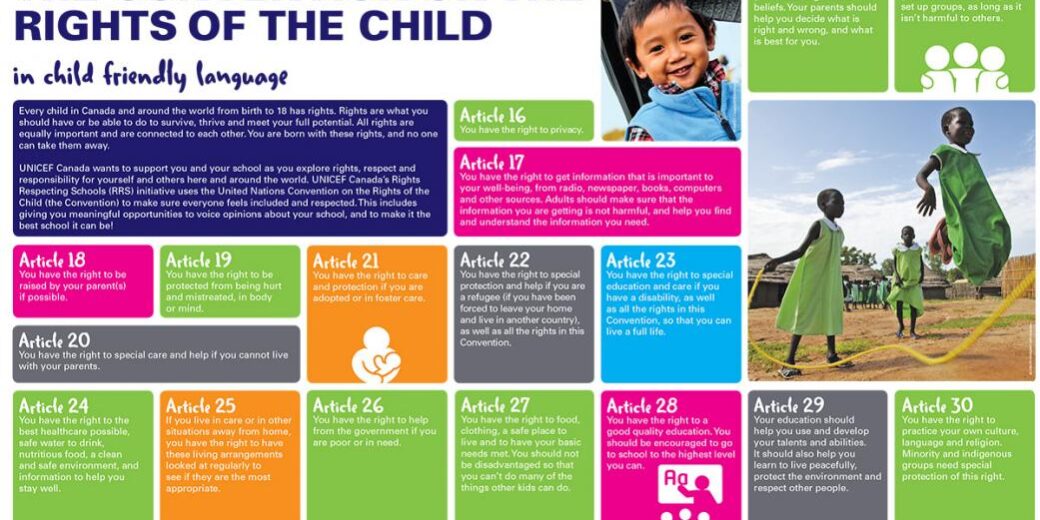
In the eyes of a child, play is a central part of childhood, a way to learn, develop, make friends, and emotionally express themselves. Rights like legal rights are much more difficult for children to understand. But the right to play is geared to a child’s happiness. Article 31 is a recognition of the importance of play for children’s development and that play is a right, not a privilege. For adults, play can be any leisure time, riding a bike, going swimming, surfing, travel or in experience of an enjoyment outcome that brings happiness and pleasure, but it is also important to rest and enjoy life when you can.
For the UN Article, The Convention of the Rights of a Child, Article 31 resonates with children the most as it provides recognition that children value and experience play, joy, and most importantly, freedom to be a child. The same thing applies to us as adults: rest when you can and enjoy life with leisure time (play) when you can, and when in good health.
RESPONSES to Discussion Posts ->
My Response to Discussion Post (Heidi) – January 17 – 1:00 pm
Article 13 is important because it recognizes children as agents of this world in their own right, rather than mere observers. When we accord their voices respect, we confirm that their experiences are valid and real, and with this validation come self-confidence and autonomy for them. This right further requires the establishment of secure environments where children feel free to be forthcoming without feeling criticized, challenging an existing imbalance in power between generations. Article 13 culminates as an enduring lesson in the fact that an adult’s interest in keeping a child safe is not divisible from an adult’s interest in hearing from the child.
My Response to Discussion Post (Alexis) – January 18 – 1:13 pm
The article you chose (article 15) is a powerful one, as it recognizes social interaction is important for any child, not just as a pastime activity, but a necessary part of a child’s development. In giving children the right to form their own groups, children have the right to make their own friends, express themselves and enjoy collective activities together.
Most importantly, the involvement of the “no harm” clause underlines the moral implication of social freedom. What it shows kids is that although they have a right to belong, they are to use that right to neither harm nor exclude others. All through a child’s development and into adult hood, artile 15 stands out as part of a inclusive community in protection of a child’s autonomy and still having a voice that is heard in a safe environment where they can express themselves, safely.