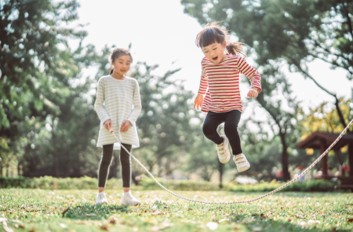
Magazine: Teaching Young Children, National Association for the Education of Young Children (NAEYC) The Power of Play: How Kids Learn by Having Fun and Exploring When you step into an early childhood classroom, you can practically feel the energy there. The sound of children playing, the hum of their voices making up stories, and the…
Article 31 resonates the most – the Right to Play and Rest In the eyes of a child, play is a central part of childhood, a way to learn, develop, make friends, and emotionally express themselves. Rights like legal rights are much more difficult for children to understand. But the right to play is geared…
PART 1 – Examples from own Childhood x Bronfenbrenner’s Ecological Theory Chronosystem (Time & Life Events – Changes over time) Experiencing physical activity changes plus introduction of computers and internet, changed how I learned, communicated and became active at school compared to earlier childhood years. Macrosystem (Social & Culture Values) Growing up my parents valued…
1) Observe, Documenting, and Interpreting Children’s Play – Slideshow 3 Categories in Play – Delight, Wonder, Choice Types of observation and documentation tools: Portfolio Photographs Brief notes Video recordings Learning journals 2) YouTube Video – Pedagogical Documentation – Early Childhood This professional learning video offers ideas for what to document when educators are engaging in…
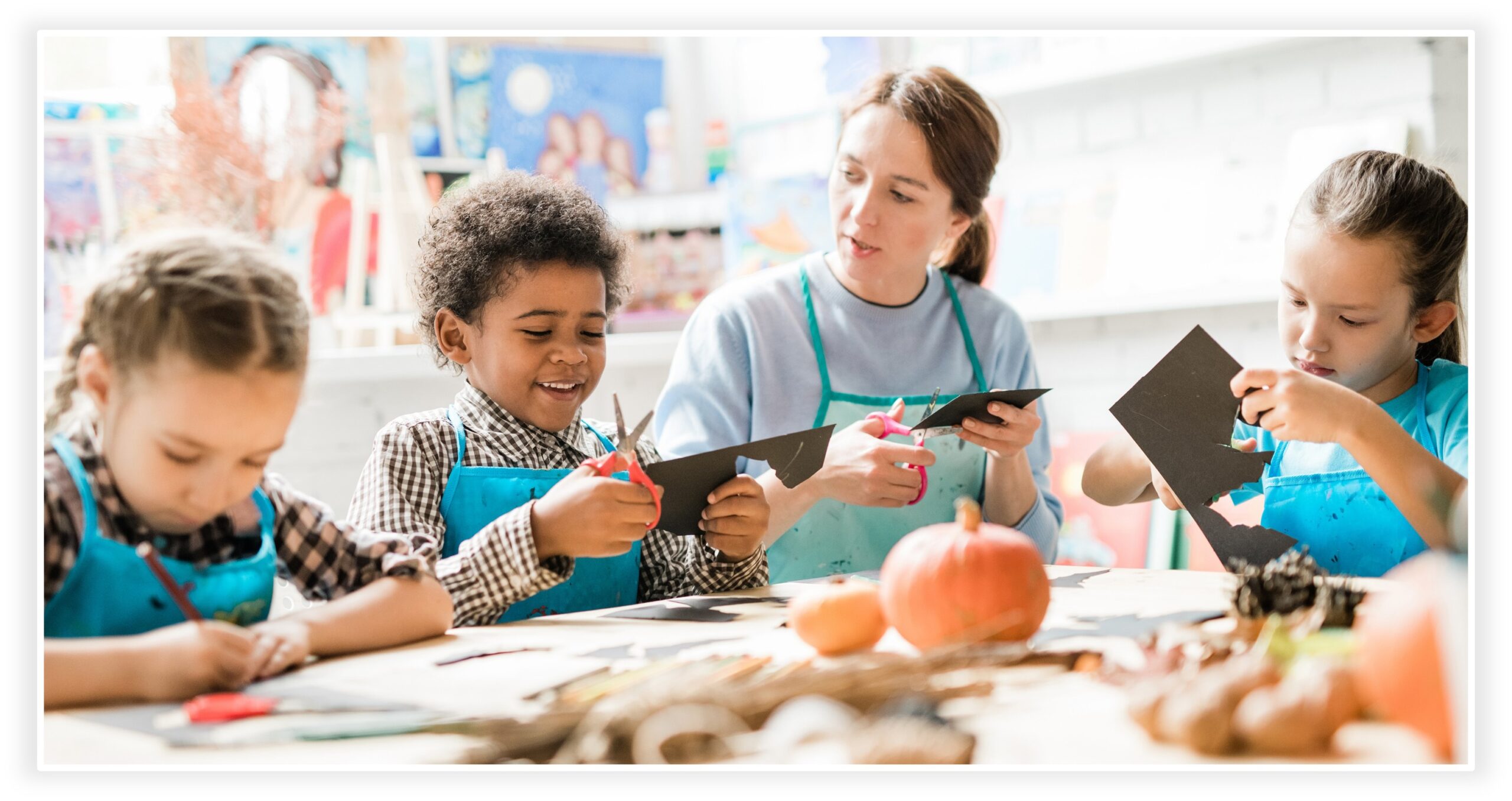
Module 4 Create 4 = Key Messages for Parents – March 1 2026 Importance of Art & Play in Early Childhood Development – Information Sheet For Parents – Art is not an “Extra” Activity In early childhood education, art is not about getting the best picture. It is about the experience of creating something. When…