 Play should be a central part of a child’s literacy and math learning journey. In early childhood education, play isn’t separate from learning—it’s actually how children learn best, it’s the engine that drives real learning in literacy and math. Kids don’t learn best by sitting still and memorizing facts. They learn by doing, talking, experimenting, and exploring, and play is where all of that happens naturally.
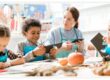
When children play, especially in make-believe scenarios like running a restaurant or playing doctor, they’re not just having fun. They’re building language skills—negotiating roles, telling stories, and learning new words. Throw menus, signs, or labels into the mix, and suddenly written language isn’t some abstract concept. It’s practical, it’s visible, and it matters to them. That’s how the groundwork for reading and writing gets started.
The same goes for math. Give a child some blocks and watch them figure out size, shape, balance, and how objects fit together. Sorting, playing store, or simple games turn counting and pattern recognition into part of the action. Through these hands-on experiences, children make sense of mathematical ideas before they ever see them on a worksheet.
What really sets play-based learning apart is that it leads to real understanding. Children can actually use what they know. They problem-solve, they experiment, and they remember, because the learning is tied to something meaningful.
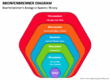
This isn’t just opinion—it’s backed by research. Lev Vygotsky talks about how children learn through social interaction, and play naturally creates those opportunities. Jean Piaget also emphasizes that children learn by actively exploring and making sense of their environment, which is exactly what happens during play.
I also think it’s important to highlight that play-based learning doesn’t mean “no teaching.” Educators still play a really important role. They can observe, join in, ask questions, and introduce new ideas or materials to extend learning. This idea of “guided play” seems like a really effective balance—children are engaged and leading their learning, but educators are still supporting and deepening it.
Vygotsky showed us that kids learn best in social settings, and there’s nothing more social than play. Piaget argued that children need to actively explore their world, which is exactly what play allows. And none of this means teachers take a backseat. Great educators set up the environment, step in to nudge thinking, and use those moments to guide learning further. That’s what guided play is all about.
Most importantly, play teaches kids how to get along, solve conflicts, and manage their feelings. removing play from literacy and math learning would take away one of the most effective ways children learn. Play helps children engage, understand, and apply what they’re learning in meaningful ways. For that reason, I see play as not just beneficial, but essential in early childhood education. These social and emotional skills are every bit as important as academic ones, and they’re built in the same moments of play that support reading and math. If we want well-rounded, capable learners, play isn’t optional. It’s essential.