Play and its relationship to Language, Literacy, Math and/or Science and in Early Childhood Research Article and Annotated Bibliography RESEARCH ARTICLE Ross, E. (2023, May 17). Embracing Learning Through Play. https://www.gse.harvard.edu/ideas/usable-knowledge/23/05/embracing-learning-through-play ANNOTATED BIBLIOGRAPHY Ross, E. (2023, May 17). Embracing learning through play. Harvard Graduate School of Education. This article from the Harvard Graduate School…
Module 5 – March 7 2026 – Create 5 – Science is related to dramatic play because children act out the roles of adventurers and investigators, and when they pretend to venture into a dramatic play, they find out how different components function and how they are connected. In dramatic play, children can pretend to…
Outdoor and Nature Play: Supporting Children’s Learning Through Nature Audience: Parents and Early Childhood Educators Length: 2 hours Summary This workshop highlights the outdoors as an instructional space, moving beyond the concept of classroom recess. Nature, as an integral three-dimensional element of the learning environment, offers an invaluable learning experience as it shapes how children…
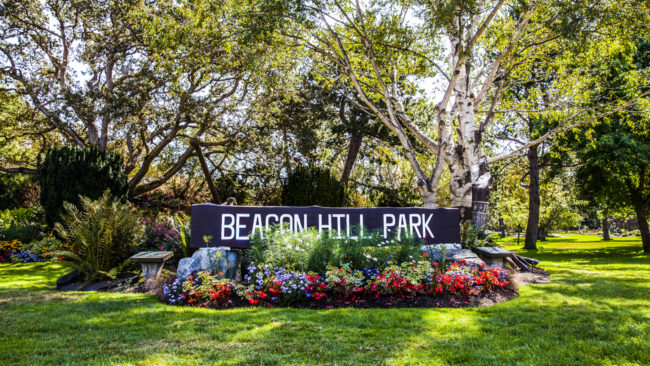
Create & Share 3 – Children’s Park – Beacon Hill Park, Victoria https://beaconhillchildrensfarm.ca/ Wide-open spaces Supports gross motor play (running, climbing, rolling), and child led movement. Increased exploration, imaginative play, and social interactions. Various natural elements (trees, gardens, paths) Supports nature-based and sensory (sight, sound, touch) learning.…
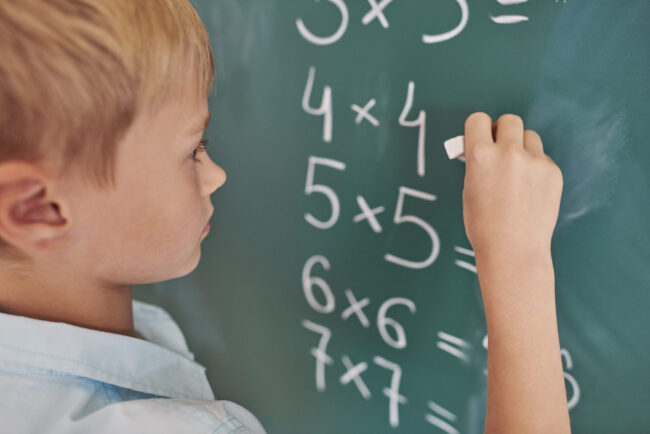
Play should be a central part of a child’s literacy and math learning journey. In early childhood education, play isn’t separate from learning—it’s actually how children learn best, it’s the engine that drives real learning in literacy and math. Kids don’t learn best by sitting still and memorizing facts. They learn by doing, talking, experimenting,…