Indigenous ways of knowing challenge us to reconsider our approach to play in early childhood environments. It’s not about controlling or structuring play; instead, it’s about offering respectful support, keen observation, and a willingness to learn. Rather than placing the educator in charge of play, Indigenous perspectives highlight the importance of relationships, learning rooted in…
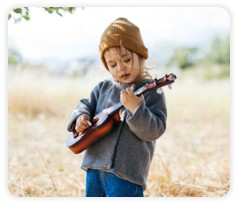
Although numerous studies prove the benefits of music, it is still often overlooked when considering the academic worth of a subject. Adding music to the classroom, or within a school is in part due to the lack of funding and assistance which often limits their music programs. Music education can be considered complicated to fund…
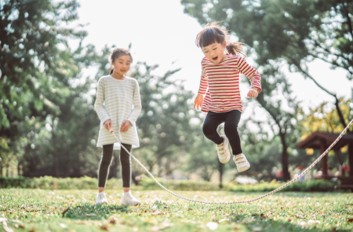
An educator planning a lesson plan, or supervising children during a class-room session should offer both indoor and outdoor activities. Research proves that a child’s physical, emotional, and mental development is enhanced by play. Play is a foundation of learning where children learn motor skills, build social repour, foster their creativity, and discover the world.…
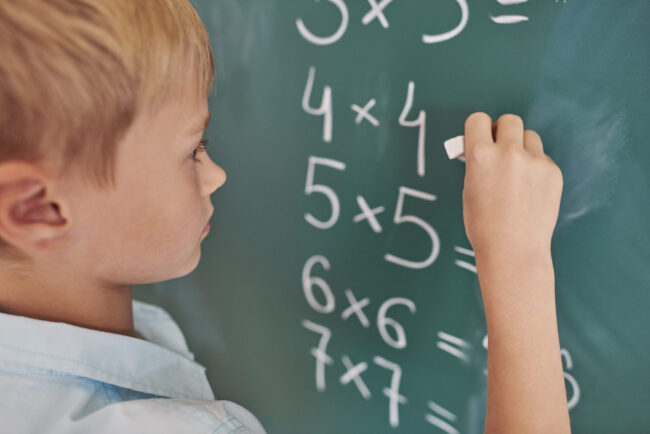
Play should be a central part of a child’s literacy and math learning journey. In early childhood education, play isn’t separate from learning—it’s actually how children learn best, it’s the engine that drives real learning in literacy and math. Kids don’t learn best by sitting still and memorizing facts. They learn by doing, talking, experimenting,…
What were your experiences (if any) in regards to Art as a child? Do you think Art is different now than it was when you were young? If so, how? As a child, I was immersed into the colourful world of art. I loved colouring books and painting. When frequent visits to England to…